

According to a report by the World Health Organization (WHO), eating processed meats can increase the risk of colon cancer . Two of the most popular processed foods, bacon and sausages, belong to this food group, which has long been under scrutiny by the scientific community due to its link to colorectal cancer and other health problems.
The report, which is based on 800 studies on colon and rectal cancer, concludes that people who eat processed meats every day are 18 percent more likely to develop colon cancer than those who do not, a truly alarming fact that may lead many people to rethink their diet and the way they consume these types of products.
In addition to WHO data, recent research has delved deeper into how red and processed meats damage the DNA of colon cells. A so-called alkylating mutational signature has been identified —a specific pattern of DNA damage that appears more frequently in people who consume large amounts of red and processed meat. This “signature” is indicative of exposure to compounds generated during the digestion and processing of these meats.
Studies analyzing the DNA of colorectal tumors have shown that those with the highest levels of red meat consumption (for example, more than 150 grams of red meat daily, processed or unprocessed) have a higher concentration of alkylating damage in the cells of the distal colon, the part of the intestine where most colorectal cancers develop. This reinforces the idea that diet not only influences the risk but also the type of genetic alterations that promote tumor development.
What is considered red meat and processed meat?

Red meat includes meat from mammals such as beef, pork, veal, lamb, goat, or horse. It provides high-biological-value protein, iron, zinc, and B vitamins, but high consumption has been linked to an increased risk of colorectal cancer and other cardiovascular problems.
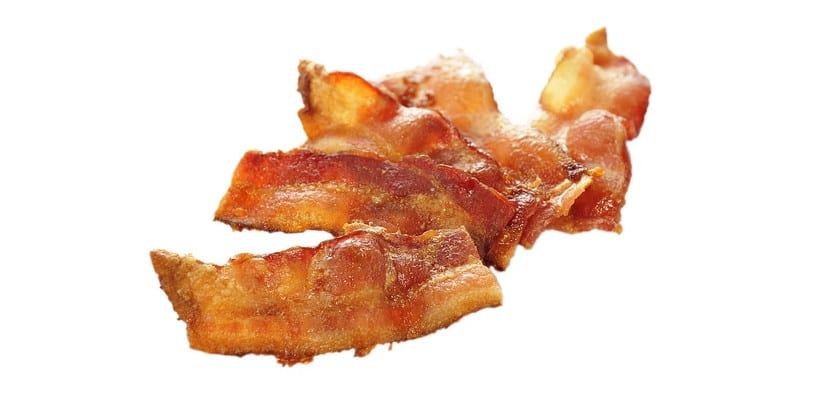
Processed meats are those that have been preserved through methods such as smoking, fermentation, curing, or salting , or to which chemical preservatives have been added. This group includes foods such as bacon, sausages, hot dogs, ham, cold cuts, pepperoni, cured meats, and jerky. The WHO classifies these processed meats as carcinogens for humans (Group 1) , meaning there is conclusive evidence that they can cause cancer in humans, particularly colorectal cancer.
The industry has historically used these methods to improve flavor and extend product shelf life, resulting in clear economic benefits. However, evidence linking these processes to an increased risk of colorectal cancer has led many experts to call for a shift towards healthier alternatives and to promote options with fewer potentially harmful compounds.
Why processed meats are linked to colon cancer

Scientists have identified several chemicals present in red and processed meat that may contribute to the development of colorectal cancer. One of these is heme , a natural pigment in meat that can promote the formation of N-nitroso compounds in the intestine, substances capable of damaging the DNA of cells in the colon and rectum.
In processed meats, nitrates and nitrites added as preservatives to maintain color and freshness can also transform into potentially carcinogenic N-nitroso compounds. These preservatives, along with curing and smoking, increase the generation of substances that, over time, can cause mutations in key genes that control cell growth.
When meat is cooked at high temperatures —grilled, pan-fried, or deep-fried— heterocyclic and polycyclic amines are also formed . These molecules appear mainly in the most browned or charred parts and have been shown to cause changes in DNA that promote the carcinogenic process.
Mutational signature studies have shown that alkylating damage associated with red meat consumption frequently occurs alongside mutations in genes such as KRAS and PIK3CA , which are linked to colorectal cancer. In individuals with genetic susceptibility or DNA repair defects (for example, in the MGMT gene ), continued exposure to these compounds makes red meat a particularly dangerous risk factor.

Other risk factors and how to reduce the impact of processed meats
Although processed meats and red meat are important factors, colorectal cancer is a multifactorial disease . Advanced age, certain family history, the previous presence of polyps, inflammatory bowel diseases such as ulcerative colitis or Crohn's disease, as well as smoking, sedentary lifestyle, obesity, and high alcohol consumption, add to the effect of a diet high in fat and low in fiber , increasing the likelihood of developing this type of cancer.
Therefore, it is advisable to limit the consumption of processed meats (bacon, sausages, cold cuts) as much as possible. Various health organizations also recommend restricting red meat to a few servings per week and avoiding processed meats whenever possible, since even low consumption has been associated with an increased risk.
In sandwiches, cold cuts can easily be substituted with roast turkey or chicken , and pepperoni on pizzas can be replaced with a wide variety of tasty vegetable toppings. Legumes, eggs, fish, mushrooms, and nuts can also be used as alternative protein sources to reduce reliance on red meat.
Becoming a vegetarian is an effective option for many people, as it's not just processed meats that increase the risk: eating any kind of red meat also raises the likelihood of colon cancer and is associated with a higher risk of pancreatic and prostate cancer. However, even without eliminating meat completely, a diet based primarily on vegetables, whole grains, and fiber , along with regular physical activity, weight management, and quitting smoking, can significantly reduce the likelihood of developing colorectal cancer.
Overall, the available scientific evidence indicates that the impact of processed meats on colon cancer is real and significant, but also that dietary and lifestyle modifications offer clear opportunities to prevent a substantial proportion of cases. Complementing these changes with regular checkups and screening tests recommended by healthcare professionals increases the chances of early detection and effective prevention.