

The mouth is one of the border points between the external world and the internal world of the body. It is here that the long process of digestion begins, a process that is often disrupted by the stressful lifestyle that characterizes our lives or by unhealthy habits that compromise the body's ability to assimilate essential nutrients. A healthy digestive system not only allows for nutrient absorption but is also the primary barrier of the immune system and a cornerstone of mental well-being.
Basic rules for good digestion
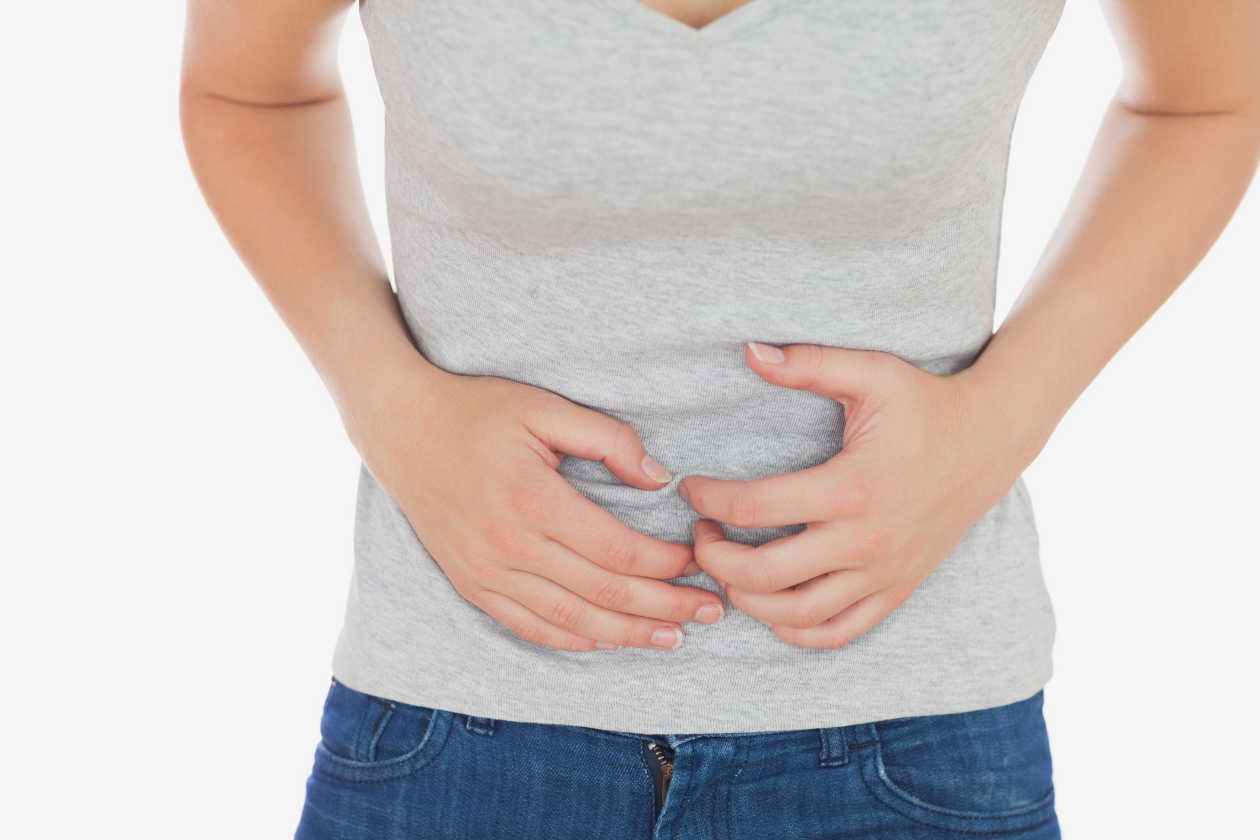
There are several rules that we should not skip if we intend to avoid stomach problems, but rather optimize the digestive process and avoid symptoms such as functional dyspepsia or postprandial heaviness.

- Eat slowly and calmly: The first rule is to dedicate at least 20 to 30 minutes to eating. If you are angry, upset, or annoyed, it's best to close your eyes, breathe deeply, and relax. Only when you are in good health can you eat safely. chronic stress It inhibits digestion as the body redirects resources to the fight-or-flight response, reducing gastric secretions.
- Chew food well: The digestion of grains, potatoes, and legumes begins in the mouth. The grinding and mixing with the salivaProteins containing enzymes like amylase ensure the initial breakdown of food. Chewing each bite about 20 times prevents gas formation and reduces the workload on the stomach.
- Maintain hydration: Drinking water is vital for dissolving nutrients and keeping stools soft. It is recommended to drink about 2 liters a day, but avoiding excessive consumption. excess fluids during meals or right after, as they can dilute gastric juices and slow down digestion.
- Control the temperature and volume: It is not advisable to eat too much (avoid binge eating) or to consume extremely cold or hot foods, as they can irritate the gastric mucosa.
Smart eating to avoid stomach problems

What we eat and how we eat it determines the speed of our intestinal transit. To optimize it, we must focus on the following points:
Fiber and Gut Health: Dietary fiber is essential for regulating bowel activity and preventing constipation . It is recommended to consume between 20 and 35 grams daily through fruits, vegetables, legumes, and whole grains. Flax seeds can also be included to improve digestion. It is important to introduce fiber gradually to avoid excessive gas.

Probiotics and Fermented Foods: Consuming natural yogurt, kefir, sauerkraut, or kombucha provides beneficial bacteria that regenerate the gut microbiota . These benefits of eating pickled and fermented foods reduce bloating, prevent infections, and improve nutrient absorption.
Avoid Irritants and Ultra-Processed Foods: It is essential to limit condiments that irritate the gastric mucosa, such as excessive salt , very strong spices, mustard, alcohol, tobacco, and excessive coffee. The real risks of ultra-processed foods , rich in trans fats and refined sugars, disrupt the bacterial balance and slow digestion.
Healthy Alternatives: Instead of salt, use carminative herbs such as anise, fennel, sage, cumin, or cardamom. For dinner, opt for light meals (soups, lean proteins, steamed vegetables) at least 2 or 3 hours before bedtime to avoid gastroesophageal reflux.
Natural remedies and therapeutic support

When digestion becomes slow or heavy, nature offers effective solutions:
- Digestive Infusions: La chamomileLemon balm and linden act as gastric sedatives. Ginger is excellent for reducing nausea and stimulating gastric juices, so you can try it. ways to use ginger In the kitchen. Peppermint and spearmint help to relax the intestinal muscles.
- Specific Plants: Anise and fennel are ideal for eliminating gasesArtichoke leaves and black radish stimulate bile production in the liver, facilitating the digestion of fats.
- Specific Solutions: El sodium bicarbonate Diluted in water, it can neutralize acute acidity. charcoal It acts like a sponge, adsorbing toxins and gases, making it useful after heavy meals.
- Essential oils: Peppermint oil is antispasmodic; ginger oil is tonic, and fennel oil is carminative. They should be used with caution and diluted in vegetable oil for abdominal massages.

Lifestyle and disorder prevention

Digestive health depends not only on diet, but also on a holistic lifestyle :
- Physical activity: Walking for 30 minutes after eating stimulates intestinal motility. yoga (twisting postures) and Pilates help to massage the internal organs and reduce stress.
- Emotional Management: Practice MindfulnessMeditation or abdominal breathing reduces cortisol, understanding how the Emotions influence your bodypreventing the digestive system from becoming inflamed or paralyzed.
- Periodic Detoxification: During seasonal changes or after periods of excess, it is advisable to carry out cleansing cures with milk thistle, dandelion or burdock to cleanse the liver and kidneys.
- Sleep and Posture: Getting enough sleep and maintaining an upright posture during meals prevents abdominal pressure and reflux.
It is crucial to recognize warning signs such as unexplained weight loss, blood in the stool, persistent vomiting, or severe abdominal pain. In these cases, it is essential to consult a gastroenterologist to rule out conditions such as gastritis, ulcers, or Irritable Bowel Syndrome (IBS).
Maintaining a balance between a diet rich in fiber and probiotics, consistent hydration, and a relaxed mind is key to avoiding bloating and heaviness. By listening to your body's signals and adopting mindful habits, you transform eating into a source of health, allowing your body to efficiently assimilate each nutrient and naturally restoring abdominal lightness.
